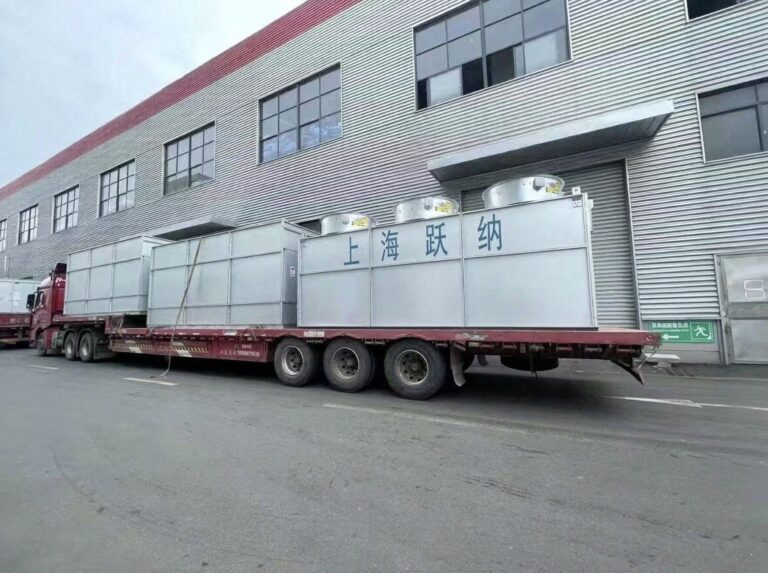
When a new commercial freezer arrives, many users assume it can be plugged in and used right away. However, proper installation and startup procedures are critical for maximizing performance, extending equipment lifespan, and preventing costly failures.
Whether you operate a restaurant, hotel kitchen, supermarket, bakery, or food processing facility, taking a few simple steps before first use can help avoid compressor damage, unstable cooling performance, and unnecessary maintenance issues.
This guide explains the essential checks and best practices after receiving your new commercial freezer.
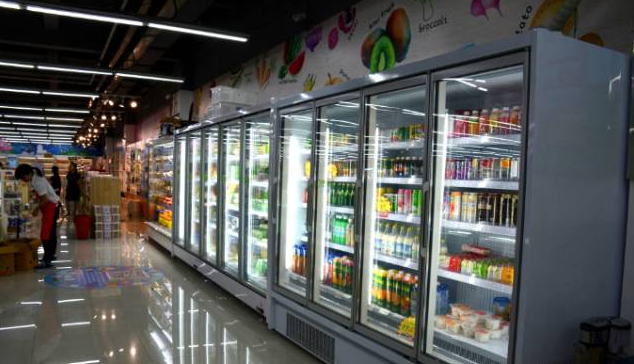
Why Proper Installation Matters
Commercial refrigeration equipment is designed to operate continuously under demanding conditions. Improper installation can cause:
- Compressor failure
- Reduced cooling efficiency
- Excessive power consumption
- Abnormal noise
- Temperature instability
- Shortened equipment lifespan
Before powering on your freezer, complete the following checks.
Step 1: Check Whether the Installation Location Meets Requirements
Before unpacking and operating the freezer, verify that the placement area is suitable.
Recommended installation conditions:
✔ Place on a stable and level surface
✔ Keep adequate ventilation space around the unit
✔ Avoid direct sunlight exposure
✔ Keep away from heat sources such as ovens and cooking equipment
✔ Ensure ambient temperature is within the specified operating range
Poor placement can reduce heat dissipation efficiency and increase energy consumption.
Step 2: Check All Accessories and Product Components
After unpacking:
- Compare accessories with the packing list
- Confirm shelves, casters, power cords, and optional accessories are included
- Inspect the exterior for transportation damage
- Read the product instruction manual carefully
A complete inspection before startup helps identify issues early.
Step 3: Verify Power Supply Requirements
Commercial freezers generally require:
Power Supply:
- 220V
- 50Hz single-phase AC power
- Allowable voltage range:
187V–242V
Stable voltage is critical for compressor protection.
Why Voltage Matters
Voltage Too High
Excessive voltage may:
- Increase operating current
- Overheat motor windings
- Damage the compressor
Voltage Too Low
Insufficient voltage can:
- Cause compressor startup difficulties
- Trigger repeated starting cycles
- Lead to motor overheating and failure
Step 4: Use a Dedicated Power Outlet and Proper Grounding
Commercial refrigeration equipment should always use:
✔ A dedicated three-pin power outlet
✔ Independent electrical wiring
✔ Proper grounding protection
Never use the following as grounding points:
❌ Water pipes
❌ Gas pipelines
❌ Telephone wires
❌ Lightning protection systems
Improper grounding creates safety risks and can damage electrical components.
Step 5: Let the Freezer Rest Before Powering On
During transportation, refrigerant and compressor oil can shift inside the system.
After installation:
Allow the freezer to remain upright and idle for approximately 30 minutes before connecting power.
This helps refrigerant stabilize and protects the compressor during initial startup.
Step 6: Listen for Abnormal Sounds During Startup
After turning on the freezer:
Pay attention to the compressor operation.
Normal sounds:
✔ Smooth compressor startup sound
✔ Stable running noise
Potential issues:
❌ Loud vibration
❌ Pipe collision sounds
❌ Unusual mechanical noises
If abnormal sounds occur:
- Turn off power immediately
- Check whether the unit is level
- Inspect whether pipes or components are touching each other
- Adjust as necessary
Step 7: Run Empty Before Loading Food
Do not immediately fill a new freezer with products.
Recommended procedure:
- Operate the freezer empty for a period of time
- Wait until the cabinet reaches target temperature
- Gradually load products
Avoid:
❌ Overloading immediately after startup
❌ Running continuously under full-load conditions during first use
Overloading affects airflow circulation and cooling efficiency.
Common Mistakes New Users Make
Plugging in immediately after transportation
This may damage the compressor due to unstable refrigerant flow.
Connecting multiple devices to the same outlet
Can overload circuits and affect freezer operation.
Filling the cabinet completely at startup
Blocks airflow and delays cooling performance.
Ignoring unusual startup sounds
Early noises may indicate installation or transportation issues.
Buying a commercial freezer is only the first step. Correct installation and startup procedures directly affect cooling efficiency, operating costs, and equipment lifespan.
Taking a few extra minutes to verify installation conditions, power requirements, and initial operation can save significant maintenance costs later.
For restaurants, hotels, supermarkets, bakeries, and commercial kitchens, following these simple practices helps ensure your refrigeration equipment operates efficiently from day one.