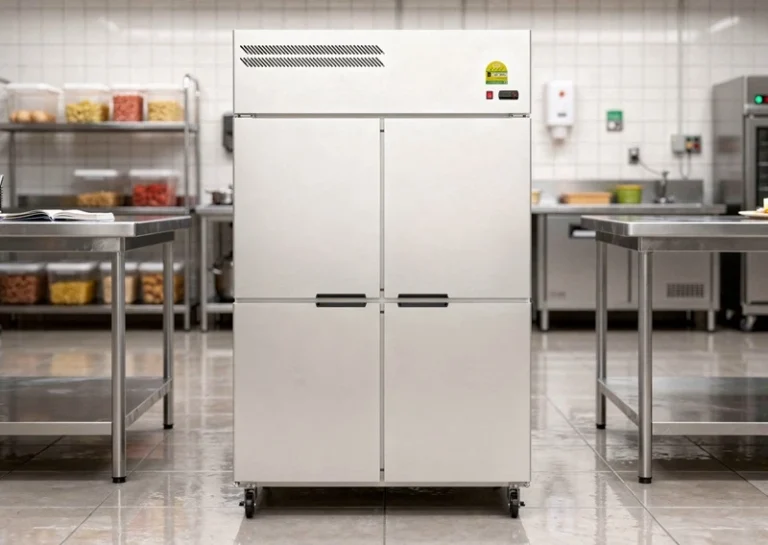
As ambient temperatures rise, maintaining consistent pizza dough fermentation becomes increasingly challenging. For professional pizzaiolos and commercial kitchens, low-temperature cold fermentation (2–6°C) is the key to achieving superior flavor development, improved texture, and production consistency.
However, not all refrigeration systems deliver the same performance. For stable and precise fermentation, air-cooled refrigerators are the preferred solution over direct cooling systems.
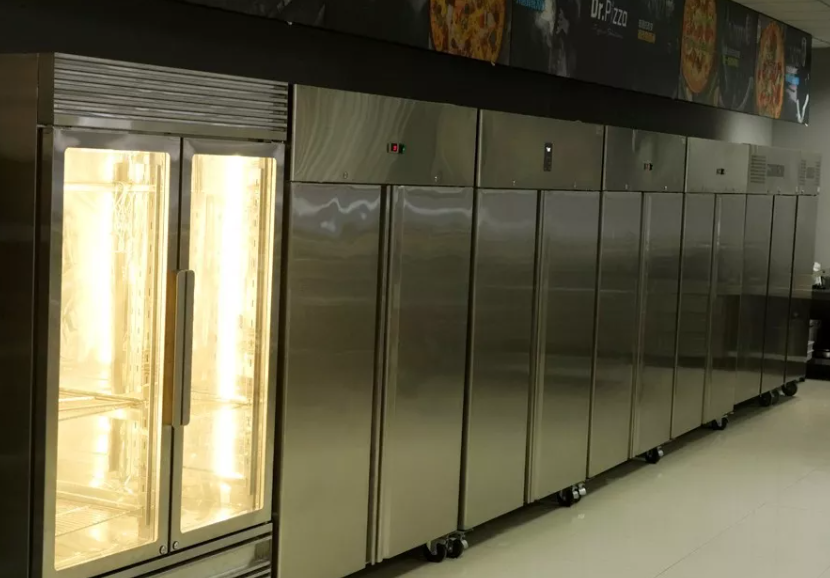
What Is Low-Temperature Cold Fermentation?
Low-temperature fermentation allows yeast to remain active while slowing its metabolic rate. This controlled environment results in:
- Extended fermentation time
- Enhanced aroma development (alcoholic, acidic, and wheat notes)
- Softer texture and more uniform crumb structure
- Smoother surface and better color
- Longer usable dough life
The optimal temperature range for pizza dough cold fermentation is 2–6°C, requiring precise and stable refrigeration control.
Why Choose Air-Cooled Refrigerators for Dough Fermentation?
1. Uniform Cooling Distribution

Direct cooling refrigerators rely on static evaporators, leading to uneven temperature zones. Dough trays placed near the rear evaporator may experience lower temperatures than those near the door.
In contrast, air-cooled refrigerators use continuous forced-air circulation, ensuring:
- Even temperature distribution throughout the cabinet
- Consistent fermentation results across all dough batches
- Faster cooling recovery after door opening
2. Precise Temperature Control (2–6°C Stability)
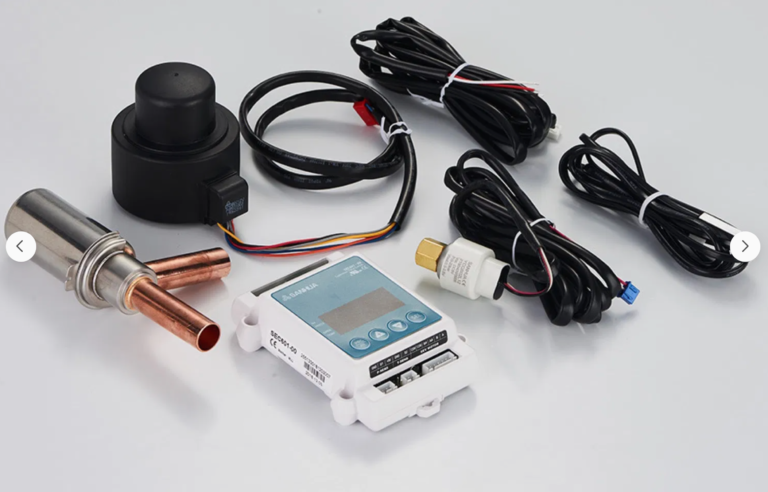
Air-cooled systems typically feature digital thermostats and sensor-controlled airflow. This allows:
- Accurate temperature adjustment
- Minimal deviation between displayed and actual temperature
- Stable fermentation without over-proofing or under-proofing
Stable temperature = stable yeast activity.
3. Better Humidity Management
Direct cooling systems tend to accumulate higher internal humidity, often causing:
- Sticky or wet dough surfaces
- Condensation inside storage containers
Air-cooled refrigerators maintain lower and more balanced humidity levels. When dough is properly covered (plastic wrap or sealed containers), the result is:
- Controlled surface moisture
- Reduced risk of sogginess
- Improved shelf life
4. Odor Control & Clean Air Circulation
Continuous airflow prevents odor accumulation inside the cabinet. This is critical when fermentation chambers are used in shared kitchen environments.
- No cross-odor contamination
- Cleaner internal air
- Preserved dough flavor profile
5. Energy-Efficient Frost-Free Operation
Modern air-cooled refrigerators use:
- Automatic defrost systems
- Higher evaporating temperatures
- Optimized COP (Coefficient of Performance)
This improves system efficiency while reducing frost formation and manual maintenance.
How to Choose the Right Air-Cooled Refrigerator for Fermentation
✔ Choose High Energy Efficiency Models
Air circulation and automatic defrost consume more power than static systems. Select models with optimized compressor and airflow design.
✔ Prefer Independent Air Duct Systems
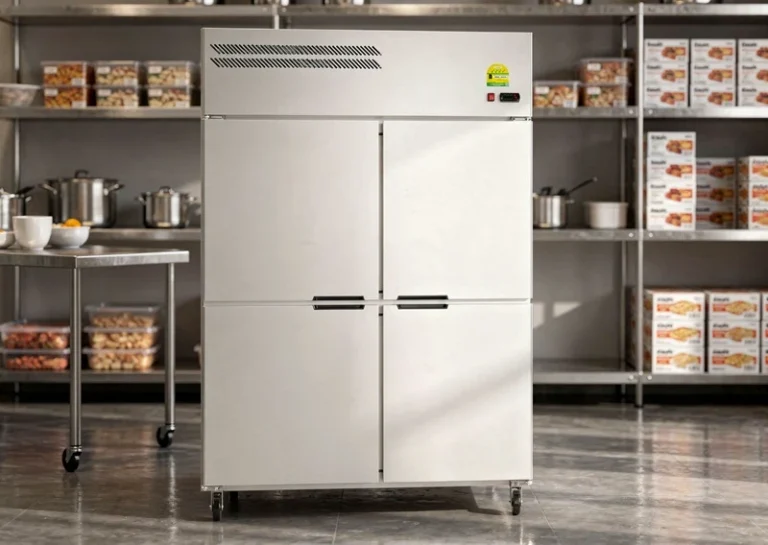
Dual air circulation systems prevent cross-contamination and ensure temperature consistency in multi-door units.
✔ Consider Noise Levels
Air-cooled systems operate continuously. For open kitchens, select low-noise commercial models or install units in back-of-house areas.
✔ Separate Dough Storage from Other Ingredients
Frequent door openings cause temperature fluctuations. Dedicated fermentation refrigeration improves stability.
Why Realmann Air-Cooled Refrigerators?
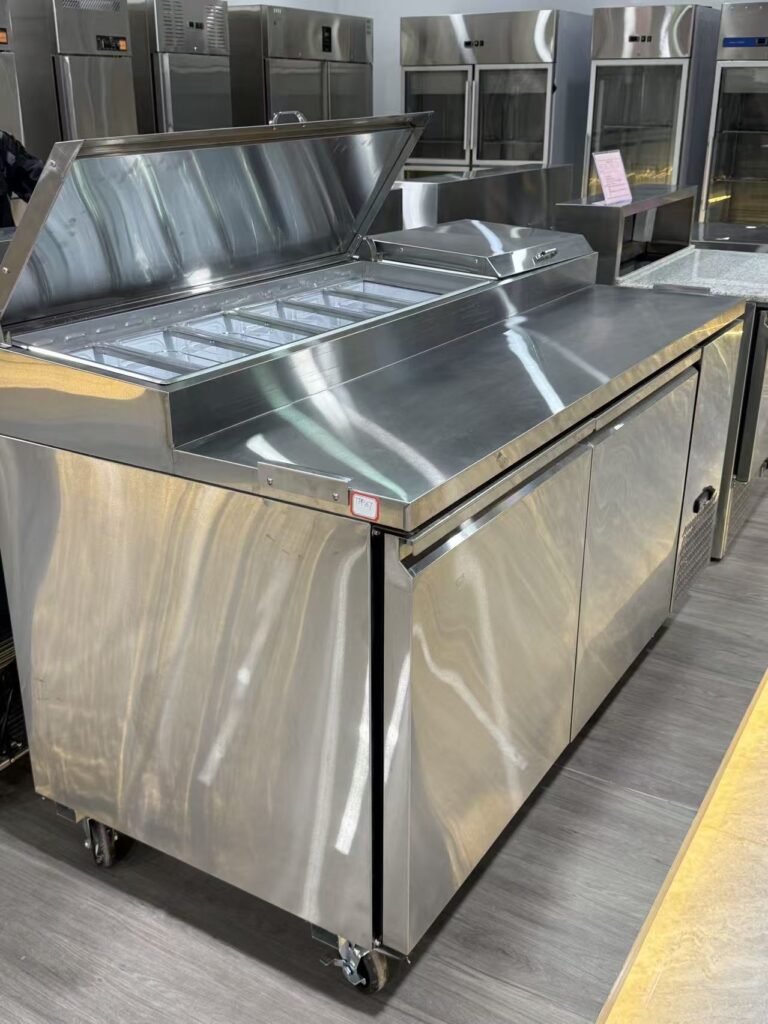
Realmann is a professional manufacturer of commercial air-cooled refrigeration equipment designed for food factories, central kitchens, seafood processing, and bakery applications.
Our systems feature:
- Advanced airflow circulation technology
- Precision digital temperature control (2–6°C stable)
- Frost-free design
- High-efficiency compressors
- Stainless steel commercial-grade construction
- Optimized energy performance
Realmann air-cooled refrigerators ensure stable dough fermentation, improved flavor development, and consistent production results.
FAQ
Q1: What is the ideal temperature for pizza dough cold fermentation?
The optimal range is 2–6°C, which slows yeast activity while allowing flavor to develop gradually.
Q2: Why not use a direct cooling refrigerator?
Direct cooling systems often create uneven temperatures and higher humidity, leading to inconsistent fermentation and surface moisture issues.
Q3: Does air circulation dry out the dough?
When dough is properly covered or stored in sealed containers, moisture loss is minimal while temperature stability improves.
Q4: Is an air-cooled refrigerator more energy-consuming?
It can be slightly higher due to airflow and defrost systems, but modern high-efficiency designs optimize energy consumption.
Q5: Should dough be stored with other ingredients?
It is recommended to use a dedicated fermentation refrigerator to avoid temperature fluctuations and odor transfer.
Conclusion
For professional kitchens aiming for consistent quality, improved flavor, and controlled fermentation, air-cooled refrigeration is the superior choice.
Stable temperature, uniform airflow, precise humidity control, and frost-free performance make it the preferred solution for low-temperature dough fermentation.
Looking for a reliable commercial air-cooled refrigerator for your bakery or central kitchen?
Contact Realmann today to get a customized refrigeration solution designed for stable fermentation and premium food preservation.